
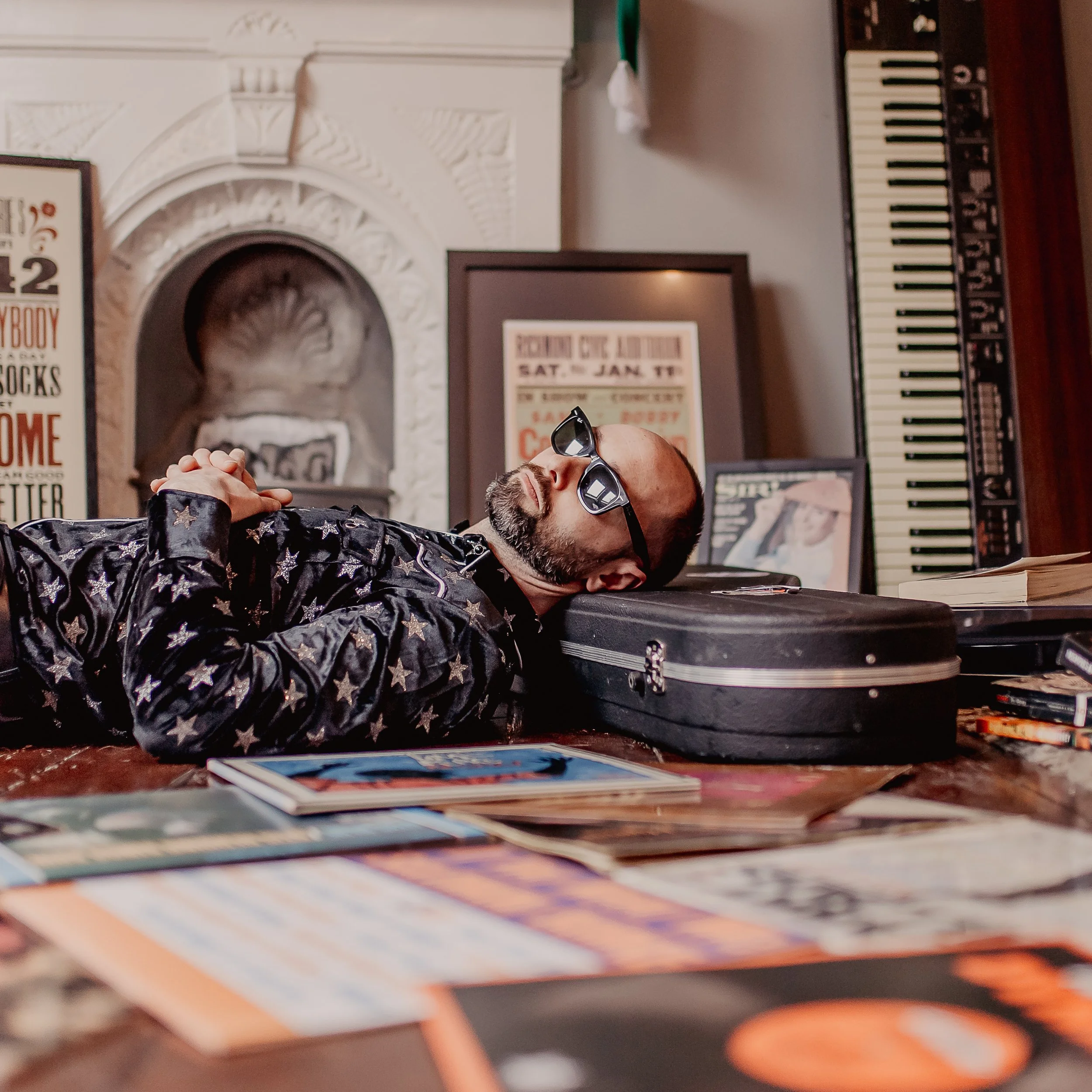
There’s something reassuring about a band that understands the power of feel.
On Hope and Recreation, Belfast soul outfit The Gold Tips lean fully into musicianship, groove and emotional honesty — not as revivalists, but as a band confident in who they are in 2026.
The new album is not nostalgia for nostalgia’s sake. It’s five players in a room, trusting instinct over algorithm, breathing life into songs that move with warmth and conviction. The new record feels richer and more confident, sharpened by the clarity that comes from sharing stages with giants like Van Morrison and Nile Rodgers.
We spoke to The Gold Tips about growth, groove, Belfast grit and why making a full-length soul album still matters.
What did you want this record to say about who The Gold Tips are in 2026?
I wanted Hope and Recreation to reflect exactly who we are now — a band of great musicians who trust each other and play together properly. It’s less about chasing trends and more about capturing feel. We wanted people to hear a band in a room, with intent and personality. In 2026, The Gold Tips are confident in our sound — rooted in soul, but not nostalgic for the sake of it.
You’ve described the album as being imbued with “the intensity, the authenticity and the heart of proper soul music.” What does “proper soul” mean to you in a modern context?
To me, “proper soul” isn’t about copying a vintage sound — it’s about intensity, honesty and groove. It’s music that feels lived-in. Proper soul has space in it. It breathes. It allows musicians to interact. In a modern context, that means resisting overproduction and letting emotion lead the arrangement.
There’s a warmth and momentum to tracks like Propelled Along that feel almost timeless. Was that sound something you consciously chased, or did it emerge naturally in the studio?
All the tracks start with me — I write them and demo them before anyone else hears them — so the foundation of Propelled Along was always there in terms of melody, groove and intent. But I’ve learned that a demo is only the blueprint. Once the band gets hold of it, that’s when it becomes a Gold Tips record. The warmth and momentum came from us playing it together in a room, reacting to each other in real time. We didn’t sit down trying to sound timeless — we focused on feel. The timeless quality comes from musicians listening and breathing together, not from polishing something into submission.
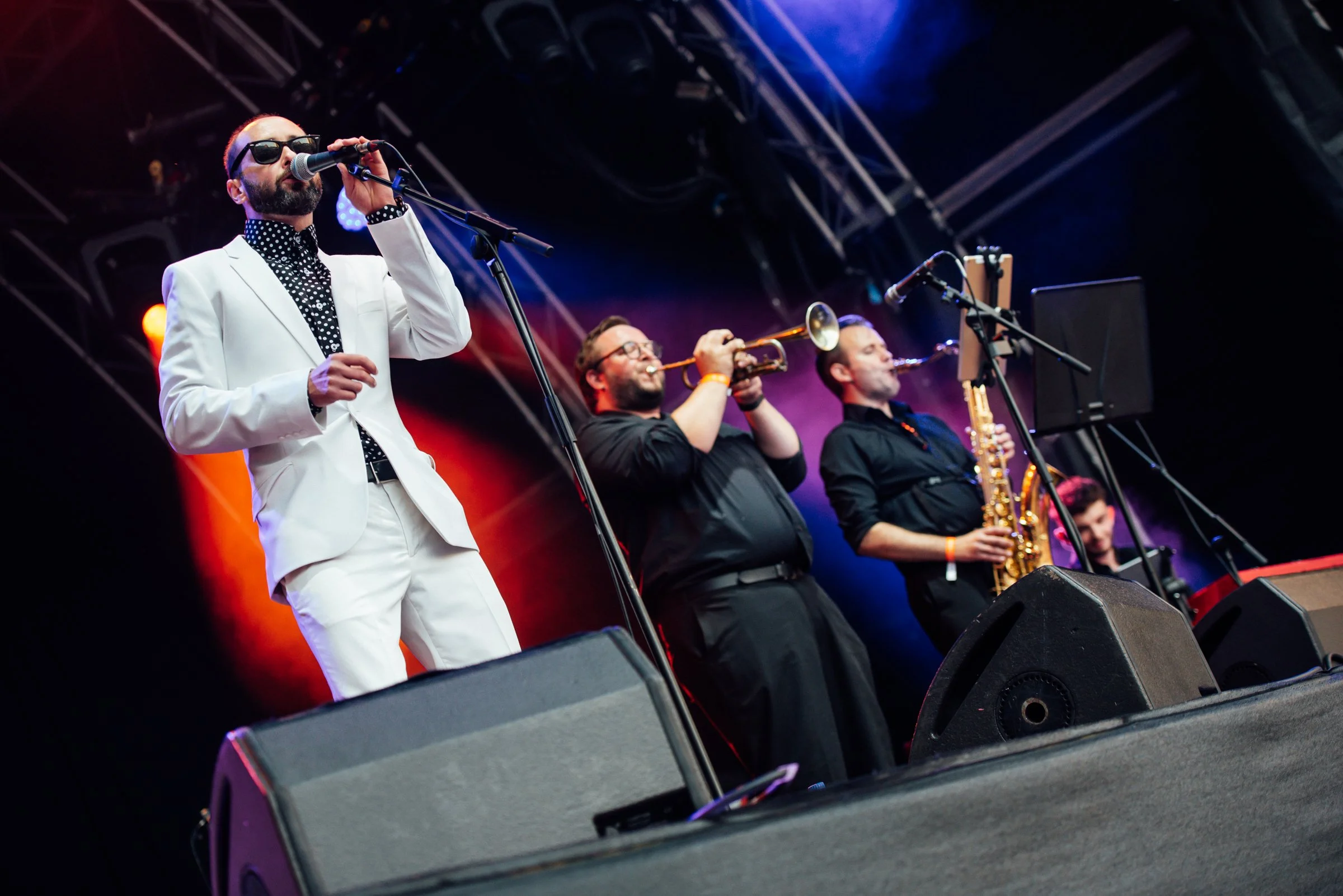
Hold On feels like a pivotal moment on the record. How did that track develop, both lyrically and musically?
Like everything on the album, Hold On began with me. I wrote and demoed it from a very honest place — that tension between doubt and resilience. The structure and lyrical core were there, but I knew it needed the band’s personality to lift it. When we started playing it together, the rhythm section found a pulse that felt steady and grounded, and the horns added that sense of release and optimism. It became a centrepiece because it moved from something personal to something collective — it still carries my voice, but it sounds like all of us.
You’ve supported Nile Rodgers & CHIC and Van Morrison at sold-out Custom House Square shows. How did standing in front of crowds that size change your perspective as a band?
Playing to crowds of that size sharpens you. You realise quickly that songs either connect or they don’t. It gave us confidence, but it also reinforced that groove and clarity matter. You can’t hide behind anything on a big stage — it’s about conviction.
There’s something distinctly Belfast about The Gold Tips. How much does the city shape your sound and identity?
Belfast gives us grit. It’s a city with history and edge, but also warmth and humour. There’s resilience here. I think that shows up in our music — a bit of toughness, but always heart underneath.
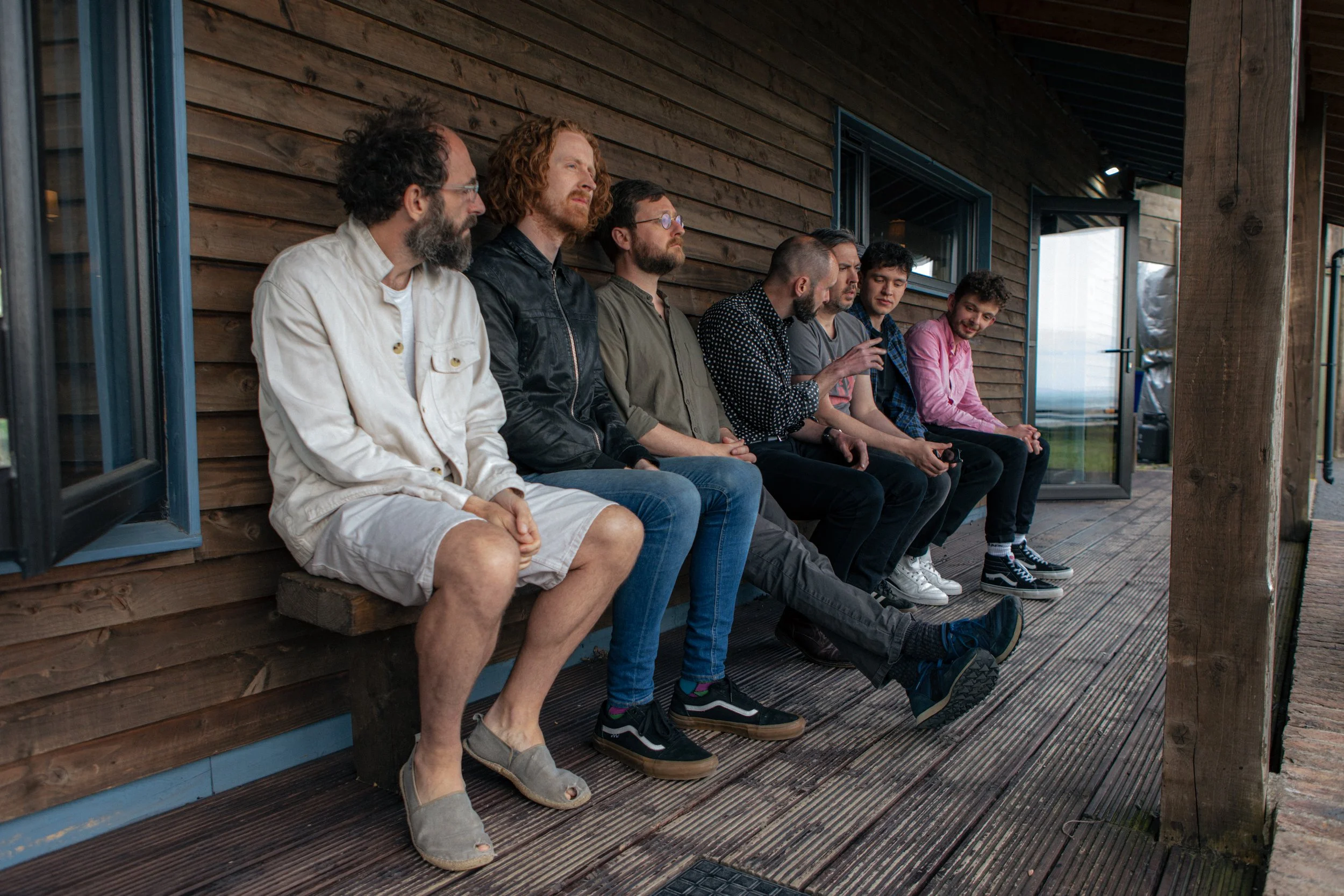
Your debut Parade was recorded in an old barn in Trondheim with a generator and a brass section. What did that experience teach you that fed into Hope and Recreation?
Recording Parade in that barn with a generator forced us to focus on performance. There were no luxuries. It taught us that energy matters more than perfection. That lesson fed directly into Hope and Recreation — capturing feel over gloss.
You were invited by Bill Drummond to produce Stay, celebrating Belfast artists. What did working in that role — as producer rather than just performer — unlock creatively?
Firstly, Bill is an inspiring character and it was an honour to be involved. Producing forced me to step back and listen differently. Instead of thinking, “How do I perform this?” I had to think, “What does the song need?” — being more intentional with space and arrangement.
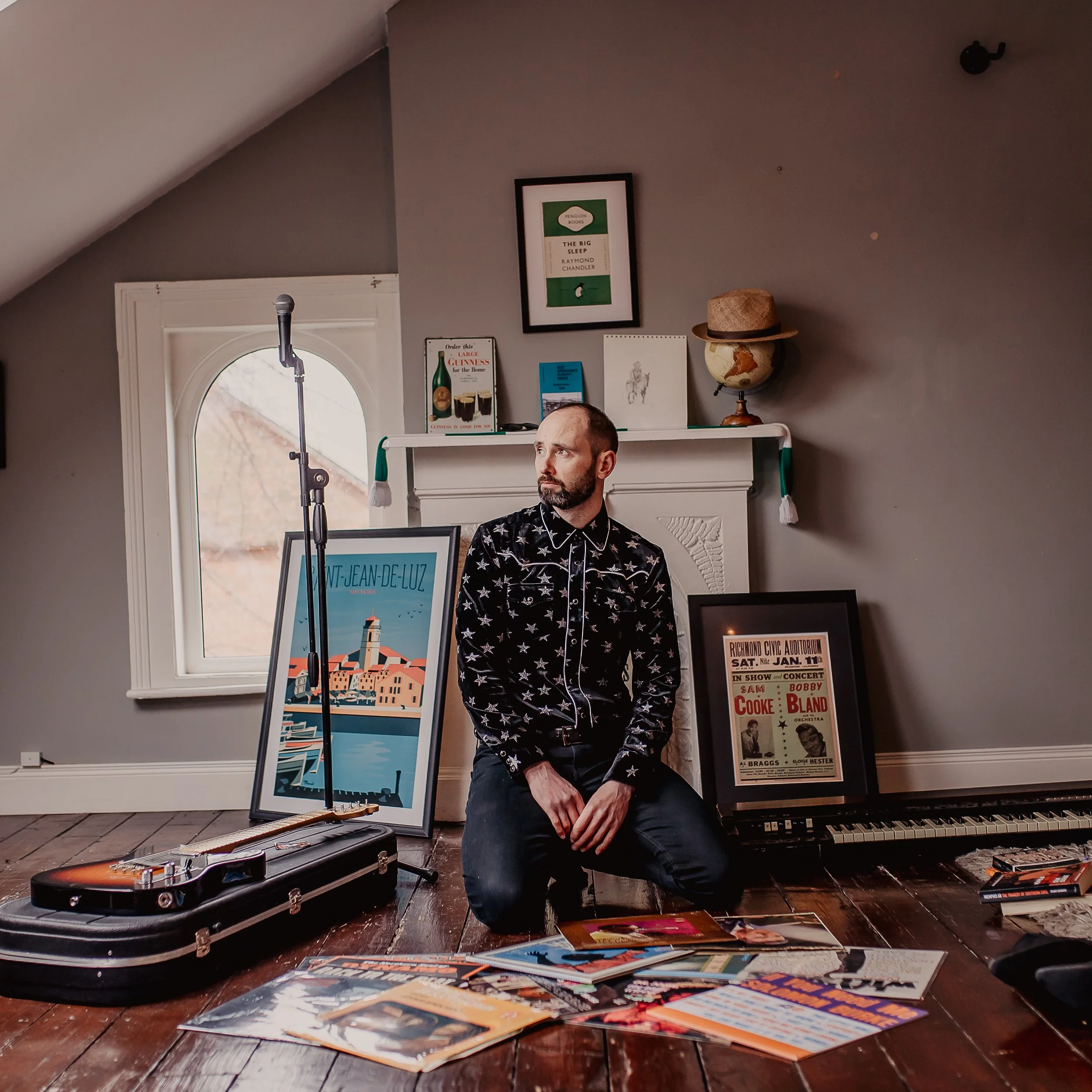
Every band talks about growth between album one and two. Where do you feel you’ve evolved most — songwriting, performance, confidence, production?
Confidence and restraint. We don’t feel the need to fill every space now. Songwriting has become more focused — serving the groove and the story rather than trying to impress.
Soul music is rooted in emotional honesty. Were there moments on this record where you had to push yourself to be more exposed than felt comfortable?
Definitely. There are moments on this record where the lyrics are closer to the bone than before. That’s always uncomfortable. But soul music demands honesty. If you’re not prepared to go there, people can hear it.
In an era dominated by short-form content and streaming algorithms, what does making a full-length soul album mean to you?
It feels almost rebellious. In a world of short-form content, making a full album is about inviting people into a journey. Soul music deserves that space — it’s about atmosphere, pacing, arc.
The arrangements on this record feel rich — horns, backing vocals, rhythm sections that breathe. How important is physical musicianship to the Gold Tips ethos?
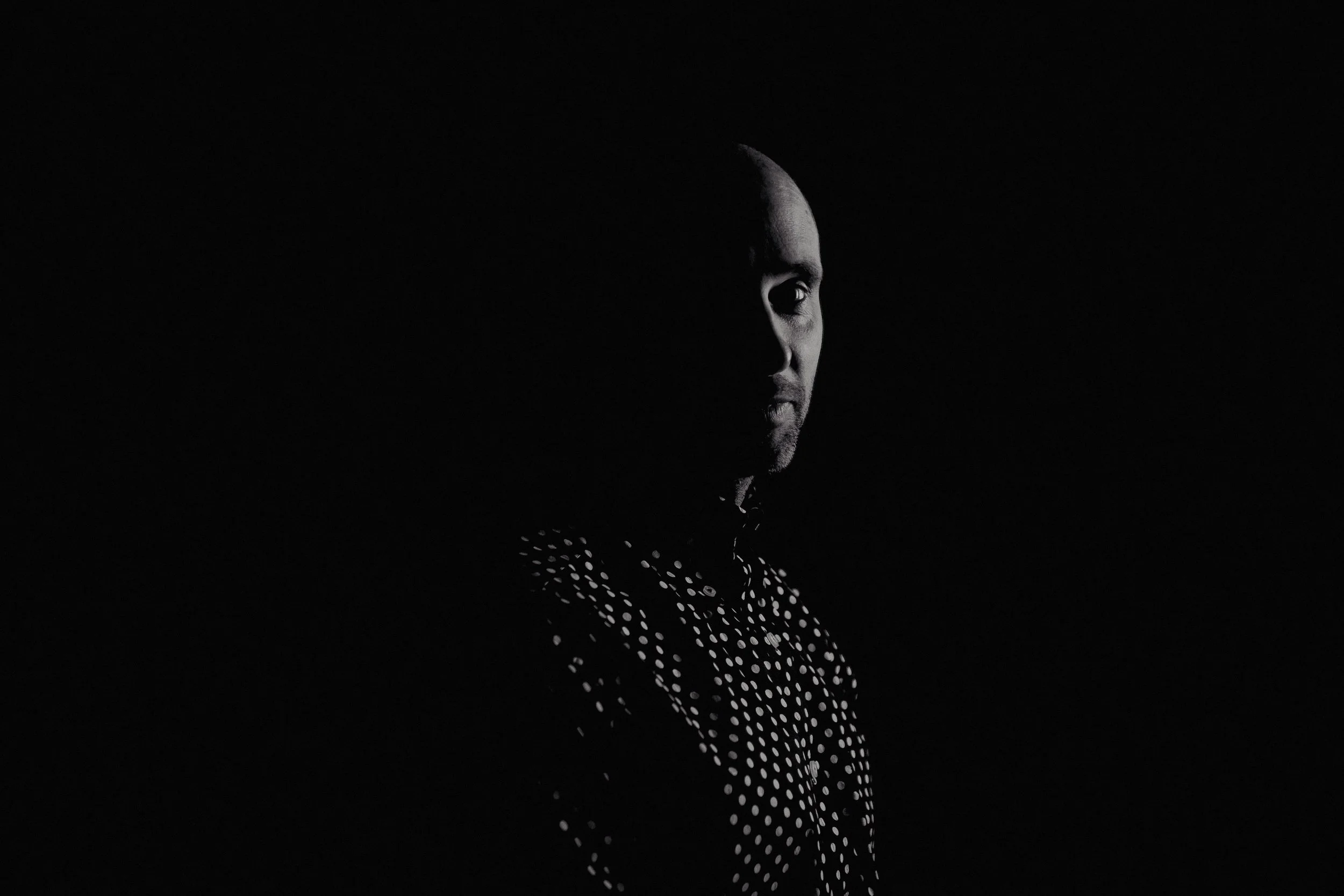
It’s everything to us. The horns, backing vocals, rhythm section — that interaction is the heartbeat of the band. When musicians breathe together, the song breathes.
There’s a lineage running through your music — Sam Cooke, Stax and Northern Soul. How do you honour those influences without becoming derivative?
I focus on principles, not imitation. Sam Cooke, Stax, Northern Soul — what we take from them is emotional directness, groove, and melody. The songs still have to come from primarily mine and by extension the other bandmates’ experience.
When people come to a Gold Tips show in 2026, what do you want them to leave feeling?
Uplifted. Energised. Like they’ve experienced something real — not just watched a performance.
If Hope and Recreation could be summed up in one feeling or image, what would it be?
Movement forward. Like stepping out into light after a long stretch of doubt — hopeful, but grounded.
————————————-
Hope and Recreation is out on Friday 6th March